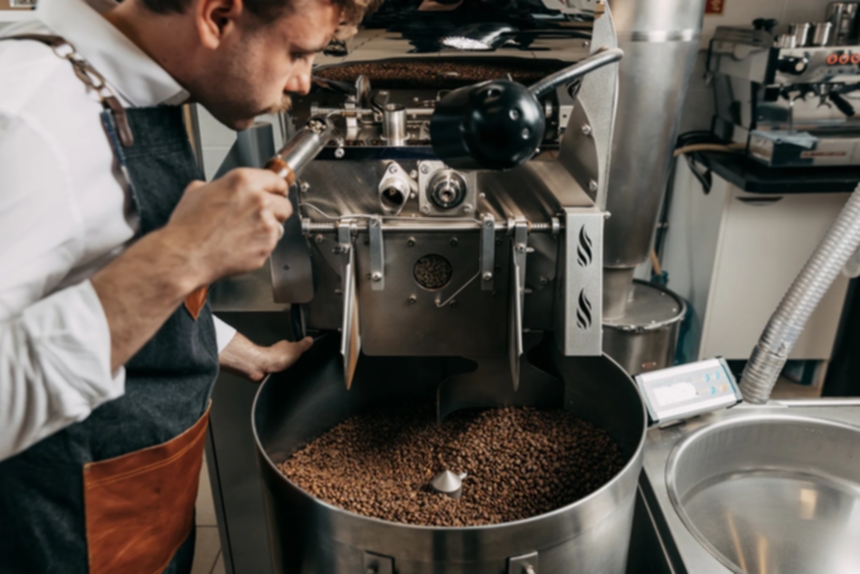
Coffee is far more than a morning ritual or a caffeine fix—it is a complex, living product shaped by geography, climate, soil, and human intervention. Yet among all the variables that influence its final character, none is more pivotal than roasting. Roasting transforms green coffee beans into the aromatic, flavorful treasures we brew and savor, acting as the fulcrum between raw potential and sensory excellence. For professional coffee practitioners, understanding the critical role of coffee roasting is not optional—it is essential to mastering the craft.
Roasting is both art and science. At its core, it is a controlled thermal process designed to unlock flavor compounds while managing chemical transformations. While green coffee beans contain the seeds of taste, aroma, and caffeine, they are largely inert in their raw form. The roasting process ignites a cascade of reactions—Maillard reactions, caramelization, and pyrolysis—that create the complex bouquet of flavors coffee is known for. These reactions dictate not only taste but body, acidity, aroma, and aftertaste, making roasting an indispensable step in achieving a precise cup profile.

The Science Behind Roasting
Coffee roasting is fundamentally a chemical metamorphosis. During roasting, moisture in the green beans evaporates, and heat permeates the bean, triggering endothermic reactions initially, followed by exothermic reactions as roasting progresses. The Maillard reaction, which begins around 150°C (302°F), is particularly significant. This reaction between amino acids and reducing sugars generates hundreds of new flavor compounds, giving coffee its nutty, caramelized, and sometimes chocolaty notes.
Caramelization of sugars occurs between 170°C and 200°C (338°F–392°F), producing sweetness and depth. Pyrolysis, the decomposition of organic compounds at higher temperatures, contributes to roast-specific flavors and the development of the coffee’s characteristic bitterness. The subtle interplay of these reactions determines the overall balance between acidity, sweetness, bitterness, and body in the cup.
The transformation is more than chemical; it is structural. Properly roasted beans create a foundation upon which all subsequent preparation—grinding, brewing, and serving—relies.
Roast Levels and Flavor Profiles
Roast level is a primary determinant of coffee flavor.
Light Roast
Light roasts preserve much of the bean’s origin characteristics. They often highlight floral, citrus, and berry notes, with pronounced acidity and a lighter body. The beans are typically roasted to the first crack, around 196°C (385°F), which ensures that subtle flavor compounds are retained. Light roasts are prized in specialty coffee for their transparency and complexity, allowing the drinker to taste the terroir—the combination of soil, climate, and cultivation methods unique to the growing region.
Medium Roast
Medium roasts balance origin character with the deeper flavors produced by roasting. Caramelization and Maillard reactions are more pronounced, producing chocolate, nut, and toasty notes, while acidity is moderated. Medium roasts, reaching approximately 210°C (410°F), offer versatility across brewing methods, making them a favorite for both espresso and filter coffee applications.
Medium-Dark Roast
Medium-dark roasts emphasize roast-derived flavors, with increased body, lower acidity, and more pronounced caramel and chocolate characteristics. Notes of spice, cocoa, and subtle smokiness emerge as sugar caramelization intensifies. These roasts are often preferred in espresso blends because they provide a robust, balanced cup capable of complementing milk-based beverages.
Dark Roast
Dark roasts, often exceeding 225°C (437°F), produce beans with deep brown to nearly black coloration. They are characterized by low acidity, heavy body, and pronounced roasted or smoky flavors. Over-roasting, however, risks introducing acrid bitterness and the loss of nuanced flavors, emphasizing the precision required in professional roasting.
The relationship between coffee grind size and roast level is an important factor in achieving proper extraction and balanced flavor. Roast level affects the physical structure of coffee beans, while grind size influences how quickly water extracts soluble compounds from those beans. Understanding this relationship helps brewers optimize flavor and avoid under- or over-extraction.
Light-roasted beans are denser and less brittle because they undergo less moisture loss during roasting. As a result, they often benefit from a slightly finer grind to increase surface area and improve extraction efficiency. This helps highlight the bright acidity, floral aromas, and complex fruit notes commonly associated with light roasts.
Dark-roasted beans, on the other hand, are more porous and fragile due to longer roasting times. They extract more easily and therefore typically perform better with a slightly coarser grind. Using an excessively fine grind with dark roasts can lead to over-extraction, producing bitterness and harsh flavors that overshadow the coffee's sweetness.
A coffee grind size chart is a valuable reference when adjusting grind settings for different roast levels. While the chart primarily matches grind size to brewing methods such as espresso, drip, or French press, it can also guide small adjustments based on roast characteristics. For example, a light roast intended for pour-over may require a finer setting than a dark roast brewed using the same method.
By combining roast-level knowledge with a coffee grind size chart, brewers can achieve more consistent extraction, improved flavor clarity, and a better overall coffee experience.
The Role of Roasting in Flavor Development
Roasting does not create flavor from nothing; it liberates and modifies compounds already present in green coffee. Each decision a roaster makes—temperature curve, roast duration, airflow, and drum speed—affects these outcomes.
A slower roast profile allows for more even development, preserving delicate floral or fruity notes while building sweetness. Faster roasts may accentuate body and bitterness, producing more pronounced caramelization and roast-derived aromas. Professional roasters often blend these approaches, tailoring roast profiles to bean origin, intended brew method, and desired sensory experience.
Roasting and Caffeine Content
Contrary to common assumption, roast level does not drastically alter caffeine content. While some caffeine degradation occurs at extremely high temperatures, the variation is minimal. However, darker roasts tend to be less dense, which means that when measured by volume rather than weight, they may contain slightly less caffeine. For the coffee professional, understanding these nuances ensures accurate dosing and consistent espresso extraction.
The Intersection of Roasting and Brewing
Roasting and brewing are inextricably linked. A roast profile dictates grind size, extraction time, water temperature, and brewing method for optimal flavor. Light roasts, with higher acidity and delicate body, often require finer grind and precise temperature control to avoid under-extraction. Medium to medium-dark roasts, more forgiving in extraction, allow for broader brewing parameters but benefit from careful control to highlight sweetness and aroma.
Professional coffee practitioners often reference a coffee grind size chart when determining the ideal grind for different roast levels, ensuring that the physical characteristics of the roasted bean align with brewing objectives. Proper roasting ensures that brewing unlocks the full spectrum of flavor potential inherent in the coffee.
Specialty Roasting Techniques
Advancements in coffee science have led to innovative roasting approaches designed to highlight or modify specific flavor attributes.
Profile Roasting
Profile roasting involves carefully programming temperature curves and timing to emphasize desired flavor notes. By controlling the rate of temperature increase and duration of specific phases, roasters can preserve origin character, accentuate sweetness, or create particular aroma profiles.
Drum vs. Hot Air Roasters
Drum roasters use conductive heat, allowing for deep, even roasting and nuanced flavor development. Hot air (fluid bed) roasters rely on convective heat and often produce brighter, cleaner flavors. Each method offers distinct advantages, and choice depends on bean characteristics, desired flavor outcomes, and scale of production.
Development Time Control
The period between first and second crack—known as development time—affects sweetness, acidity, and body. Longer development allows sugars to caramelize fully and contributes to a more rounded, balanced cup. Shorter development preserves acidity and delicate aromatic compounds. Professional roasting requires mastery over this phase to tailor flavor precisely.
Roasting and Coffee Education
Roasting also fosters an appreciation for the complexity of coffee. By observing changes in color, aroma, and bean structure throughout the roast, practitioners gain insight into the science behind flavor and aroma. This expertise translates into better extraction, superior espresso, and a more informed approach to creating coffee experiences.
Sustainability and Ethical Considerations
Roasting also intersects with sustainability and ethics. Specialty roasters increasingly prioritize traceability, sourcing beans from farms practicing environmentally responsible cultivation. Precise roasting maximizes flavor from high-quality beans, reducing waste from poorly developed or uneven roasts. Additionally, energy-efficient roasting methods and batch control help reduce environmental impact without compromising quality.
Common Challenges in Professional Roasting
Professional roasting is not without its challenges.
Inconsistent Bean Quality: Variations in moisture content, size, and density affect how beans absorb heat, making uniform roasting essential. Temperature Management: Minor deviations in drum temperature or airflow can drastically alter flavor outcomes. Timing Precision: Over-roasting can result in bitterness; under-roasting may yield sour or grassy flavors. Scale and Batch Size: Roasting larger batches requires adjustments in heat application and airflow to maintain consistency.
Addressing these challenges requires technical expertise, meticulous observation, and often iterative testing.
The relationship between caffeine content and coffee roasting is often misunderstood. Many coffee drinkers assume that darker roasts contain significantly more caffeine because they have a stronger flavor, but the reality is more nuanced. Caffeine is a relatively stable compound and is not substantially destroyed during the roasting process. As a result, the difference in caffeine content between light, medium, and dark roasts is generally small.
However, roasting changes the bean's physical characteristics. Light-roasted beans are denser because they retain more moisture and experience less expansion during roasting. Dark-roasted beans become larger and less dense as moisture is lost and the bean structure expands. When coffee is measured by weight, light and dark roasts contain nearly the same amount of caffeine. When measured by volume (such as scoops), light roasts may contain slightly more caffeine because the denser beans pack more mass into the same volume.
Roasting also affects flavor compounds, acidity, sweetness, and bitterness, which can influence how strong a coffee feels even when caffeine levels remain similar. Dark roasts often taste bolder and more bitter, creating the impression of higher caffeine content.
To estimate caffeine intake accurately, a caffeine calculator is a valuable tool. By accounting for bean type, roast level, brewing method, coffee dose, and serving size, a caffeine calculator provides a more precise estimate of caffeine content than roast color alone.
Roasting as a Craft
Roasting coffee is a craft that bridges science, artistry, and sensory expertise. A professional roaster must understand chemistry, thermodynamics, bean origin characteristics, and the interplay between roasting and brewing. Precision, intuition, and creativity converge to transform raw green beans into a multi-sensory experience.
Mastering roasting elevates the profession. It allows coffee practitioners to deliver consistent quality, create signature profiles, and innovate while maintaining fidelity to origin and ethical sourcing principles.
Conclusion
The critical role of coffee roasting cannot be overstated. It is the transformative step that unlocks flavor, aroma, and character from raw coffee beans. Through careful management of temperature, time, and technique, roasting shapes acidity, sweetness, body, and aroma, creating a foundation for exceptional coffee experiences.
For professional coffee practitioners, roasting is both responsibility and opportunity. It requires understanding the science behind chemical reactions, the artistry of flavor development, and the precision necessary to deliver consistency. Mastering roasting elevates coffee from commodity to craft, turning every cup into a journey of taste, aroma, and enjoyment.
Ultimately, coffee roasting is the linchpin of quality. Without it, even the finest beans cannot realize their full potential. Through skillful roasting, the essence of coffee is revealed, offering a sensory experience that delights, inspires, and connects coffee lovers worldwide.